Related Articles
- Top 6 Next-Gen B2B SaaS Engines Shaping Retention With AI-Powered Predictive Insights Since 2019
- Top 6 Emerging SaaS Onboarding Platforms of the Last Five Years That Actually Boost User Stickiness
- Top 8 Under-the-Radar Analytics Tools Launching Since 2019 That Outperform Big Names
- Top 7 Next-Gen Workflow Automation Platforms Revealed Comparing Game-Changing Features from the Last Five Years
- Top 6 Next-Gen Endpoint Security Solutions Since 2019 That Outsmart Modern Cyber Threats
- The Unseen Ripple Effect: How Obscure API Endpoints Influence Global Data Ecosystems in Unexpected Ways
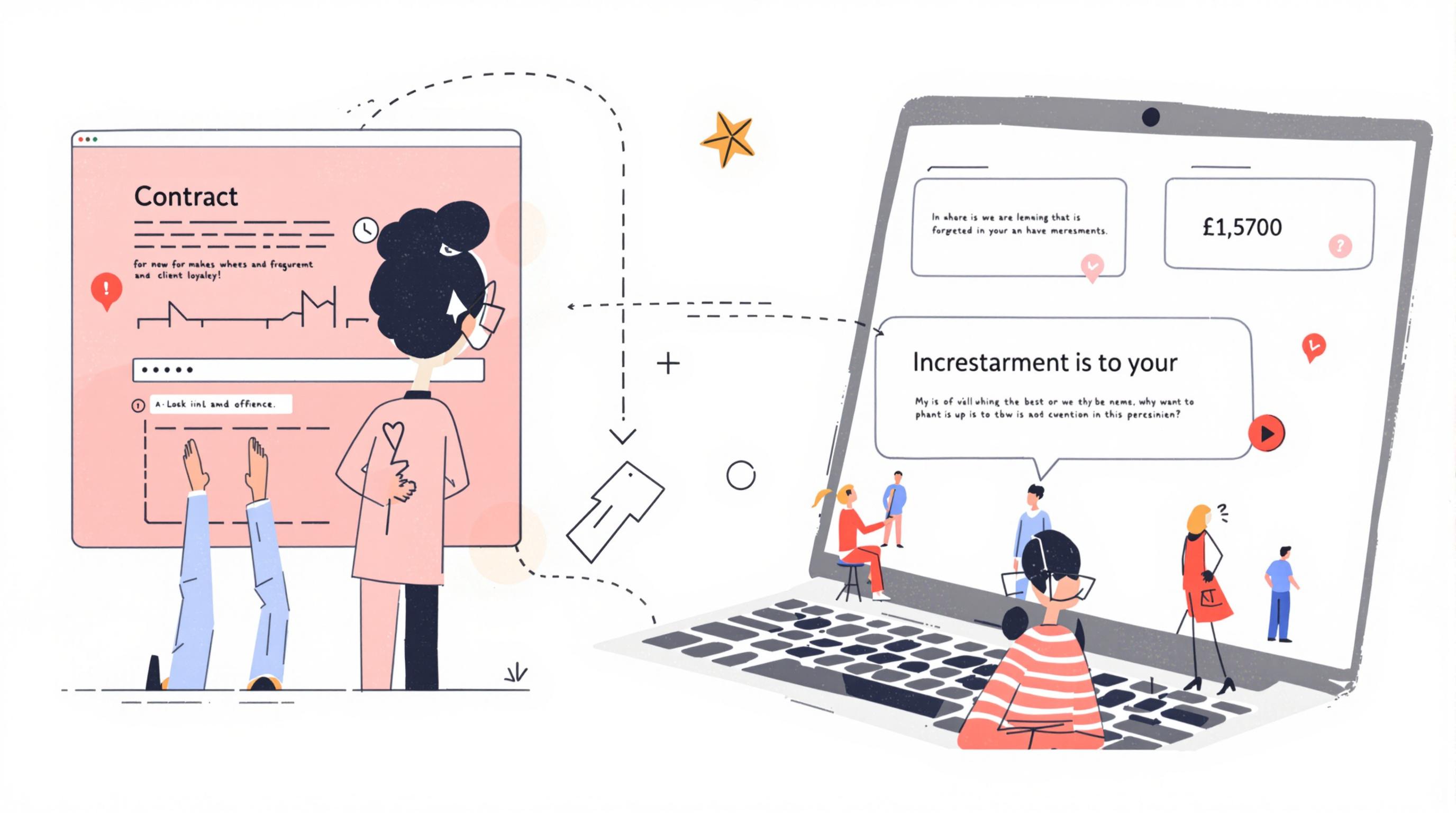
How Micro-Moments Shape First Impressions in SaaS Journeys and Influence Long-Term Client Loyalty
How Micro-Moments Shape First Impressions in SaaS Journeys and Influence Long-Term Client Loyalty
Micro-moments in SaaS journeys are small, critical instances that shape first impressions and heavily impact long-term client loyalty. Understanding and optimizing these moments is the secret sauce for SaaS companies wanting to build lasting relationships.
Micro-Moments: A Quick Dive
“Micro-moments” is a buzzword marketers love throwing around, but it goes beyond hype. Coined by Google, micro-moments are those tiny, intent-driven interactions when users reflexively turn to their device to act on a need: to learn, do, discover, watch, or buy. In the SaaS world, these moments can happen the instant someone lands on your homepage or clicks “start free trial.”
The Science of First Impressions
Our brains make split-second judgments—within 50 milliseconds—when exposed to visual stimuli, including websites (Source: Princeton University study). In SaaS, if your interface, messaging, or speed fails to impress within those blink-and-you-missed-it seconds, your prospect is gone. And in an era where 53% of mobile users abandon sites taking longer than three seconds to load (Google), timing is everything.
Story Time: The Signup Journey of Jane
Jane, a 28-year-old startup founder, is hunting for a project management tool. She lands on SaaS Company X’s website. Immediately, the clear value proposition jumps out at her. The sign-up form is straightforward, no unnecessary fields. Before she knows it, Jane is hooked, sharing feedback and becoming one of their most loyal customers over three years.
Compare that with SaaS Company Y, where Jane felt overwhelmed by cluttered UX and slow responses – she bounced right off. That single micro-moment of frustration cost Company Y a profitable client.
Persuasion through Microcopy and UI Design
Persuasive microcopy—the tiny bits of text like button labels, error messages, or confirmation notes—can make or break the user experience. For instance, “Start your free trial” vs. “Download Now” evoke different feelings. Studies show buttons with action-oriented, personalized text increase conversion by up to 30% (Unbounce report).
Effective UI design complements this by intuitively guiding users through the SaaS journey. For example, using “progressive disclosure” techniques to avoid overwhelming the user initially but gradually introducing advanced features builds confidence and reduces churn.
The Power of Instant Gratification
Users today crave instant results. Consider Spotify’s lightning-fast music recommendations or Slack’s near-instant message delivery: these services master micro-moments by aligning expectations with quick outcomes. In SaaS, if your onboarding delays gratification—say, requiring hours of setup without a “quick win”—users may drop off before experiencing the product’s real value.
Data-Driven Decisions: Case Study from Zendesk
Zendesk revamped its onboarding funnel based on user interaction data, focusing on reducing friction during the initial days. By simplifying sign-up and introducing contextual tips, they increased trial-to-paid conversion rates by 25%. This illustrates how analyzing micro-moments can lead to actionable improvements that strengthen client loyalty.
It's Not Just About Tech—It’s Emotional
While SaaS companies primarily focus on technological robustness, emotional resonance often determines loyalty longevity. Every micro-moment offers a chance to evoke trust, delight, or frustration. For example, friendly chatbot greetings coupled with empathetic responses can turn a mundane help session into a relationship-building moment.
A Touch of Humor Goes a Long Way
Injecting humor into micro-interactions can humanize SaaS brands. Mailchimp’s playful error messages helped soften user frustration, fostering goodwill even when something goes wrong. This kind of emotional engagement encourages user patience, increasing the chances they’ll stick around rather than churn.
The Casual Reality of SaaS Consumption
Let’s be real: users today are distracted and impatient. They multitask, scroll, and juggle dozens of apps daily. SaaS products that acknowledge this reality—offering concise, context-aware content in micro-moments—win more hearts. A casual tone can also lower barriers, making new users feel less intimidated and more inclined to explore features.
Building Long-Term Loyalty One Micro-Moment at a Time
An individual micro-moment is small, but billions of them accumulate into a user’s comprehensive impression. Positive experiences stack like bricks; negative moments chip away at your foundation. Consistent quality across these interactions fosters trust, the essential ingredient for durable client loyalty.
Young or Old, Everyone Counts
Whether talking to Gen Z tech-savvy teens or seasoned 60-year-old professionals, micro-moments matter. Each demographic’s expectations may differ, but the imperative to make a fast, positive impression is universal. Tailoring these moments per audience segment—like simplified UX for older users or gamification for younger ones—can increase engagement and retention.
Metrics to Watch Beyond Signups
SaaS companies must track micro-moment effectiveness beyond basic acquisition numbers. Metrics like time-to-first-value (TTFV), feature adoption rates, and micro-interaction satisfaction surveys provide insight into where small experiences succeed or falter. Companies ignoring these detailed indicators risk missing critical loyalty drivers.
Conversational Flow: Why Dialogue Matters
Micro-moments are not isolated but part of an ongoing conversation between user and platform. Implementing AI-driven chatbots or real-time assistance allows SaaS businesses to respond dynamically, anticipating needs during these fleeting windows. This conversational approach nurtures a bond akin to personalized attention in brick-and-mortar stores.
Final Thoughts from a 45-Year-Old Veteran Reporter
After three decades chasing stories and observing human behavior, I’ve learned that people’s minds are won or lost in the blink of an eye. SaaS firms ignoring these “blink” moments do so at their peril. Mastering micro-moments is not some futuristic jargon — it’s the frontline battle in an age where every swipe, click, and tap counts.
Read More